Skip to content

Origin notes • Processing • Brewing clarity

Tea Stories

Each tea has a lineage: cultivar, mountain, season, craft decisions, and the quiet details that shape aroma and structure. Our stories are written to support your brewing—clear, calm, and grounded in tradition.

Focus
Provenance and craft
Style
Minimal, practical
Outcome
Better brewing
Hands preparing a tea ceremony with minimalist teaware

From leaf to cup

Understand why a tea tastes the way it does: withering, oxidation, firing, rolling, and aging.

Brewing parameters that matter

Water temperature, ratio, time, and vessel choice—explained without noise, so you can adjust with confidence.

Story collection

A curated set of reading paths. Use these to choose your next tea, plan a tasting flight, or refine your home ceremony.

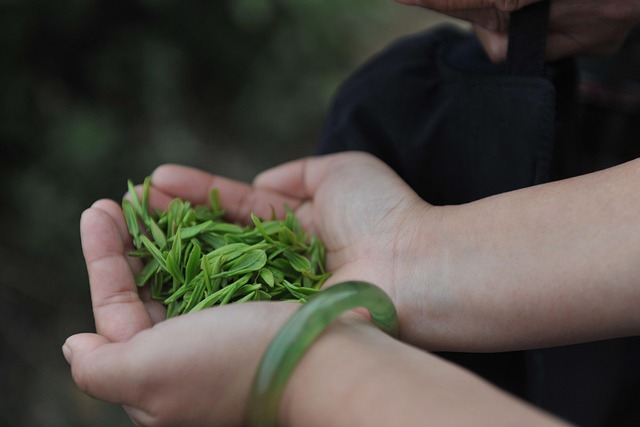
Green and White

Freshness, umami, and gentle sweetness

These styles reward precision. Cooler water preserves floral lift and vegetal clarity, while short steeps prevent astringency from taking the lead.

  • Taste map: grass, steamed greens, orchid, melon, soft minerals

  • Brew cue: lower temperature for clarity; extend time in small steps
Oolong

A spectrum built for multiple infusions

Oolong can move from bright and floral to roasted and deep. Pay attention to aroma changes between steeps; that is where the story unfolds.

  • Taste map: lilac, stone fruit, honey, toasted grain, cocoa

  • Brew cue: flash rinse optional; use short steeps and increase gradually

Black and Dark

Structure, warmth, and aging potential

Black tea and post-fermented dark tea are where comfort meets complexity. Temperature can be higher; the craft is in controlling strength and texture.

  • Taste map: malt, dried fruit, spice, forest floor, cocoa husk

  • Brew cue: hotter water for depth; shorten time to keep bitterness low

A minimalist brewing framework

Use this simple structure to learn any tea. It works for gongfu sessions and for larger Western-style infusions, and it is easy to refine through tasting.

  1. 1

    Set your goal: clarity, sweetness, aroma, or body

  2. 2

    Choose the lever: temperature, time, or ratio

  3. 3

    Change one thing: adjust in small steps and taste again

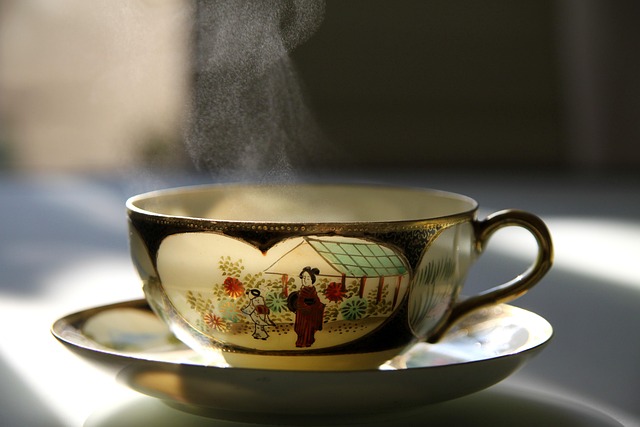
Traditional tea ceremony setting with teaware and warm lighting

Origins, not marketing

We emphasise region, elevation, harvest timing, and processing style. When details are known, we share them; when they are not, we avoid guessing.

Balance in every cup

Our guidance aims for harmony: sweetness and aroma held by structure, with a clean finish. The goal is calm complexity, not intensity for its own sake.

Learn by tasting

Stories become real when you taste side by side. Our tastings help you compare processing methods and identify notes with practical vocabulary.

Turn reading into ritual

Choose a tea, choose a vessel, and brew with intention—then refine through tastings.